Robert Cialdini first defined social proof in his 1984 book Influence: The Psychology of Persuasion. The idea is straightforward: when people are uncertain about how to behave, they look to others for cues. If many people are doing something, it feels safe, correct, or socially accepted. This mechanism has shaped everything from daily habits to global marketing campaigns.
Social proof works because it saves time and effort. In most situations, assuming the group is right is an efficient shortcut. It also satisfies a deeper need for belonging — doing what others do reduces the risk of standing out or being wrong. Cialdini identified it as one of six universal principles of persuasion, along with authority, reciprocity, liking, scarcity, and commitment. Now, 3 of my favorite uses cases and one that I hate:
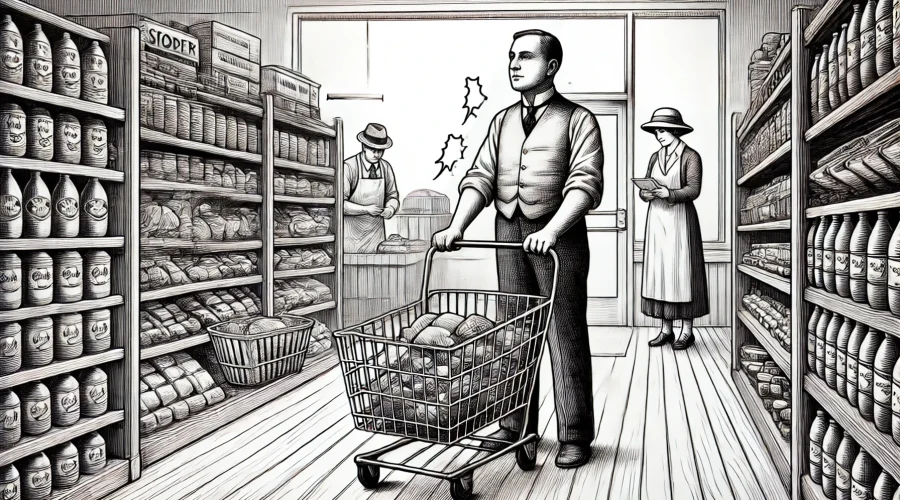
In 1937, Sylvan Goldman, the owner of Humpty Dumpty Supermarkets in Oklahoma City, invented the shopping cart. His goal was practical: to help shoppers buy more without carrying heavy baskets. But when the carts were first introduced, customers refused to use them. Men thought pushing a cart looked unmanly; women said it felt like pushing a baby stroller.
Goldman’s solution was simple. He hired models — both men and women — to walk around his store using the carts. When shoppers saw others using them confidently, they followed. Within months, the shopping cart became a standard part of grocery shopping. It was a quiet but perfect example of social proof: seeing others do it made it normal.
In the late 1980s, the Harvard Center for Health Communication launched a campaign to promote the concept of the “designated driver.” Instead of running traditional ads, they approached Hollywood writers. The idea was to make responsible driving appear as an everyday social behavior rather than a moral lesson.
TV shows like Cheers, L.A. Law, and The Cosby Show began featuring characters who mentioned being the designated driver. The phrase quickly entered everyday language. Surveys later showed that within a few years, most Americans understood the concept — and many had practiced it. Seeing it modeled on television made it seem like something everyone did.
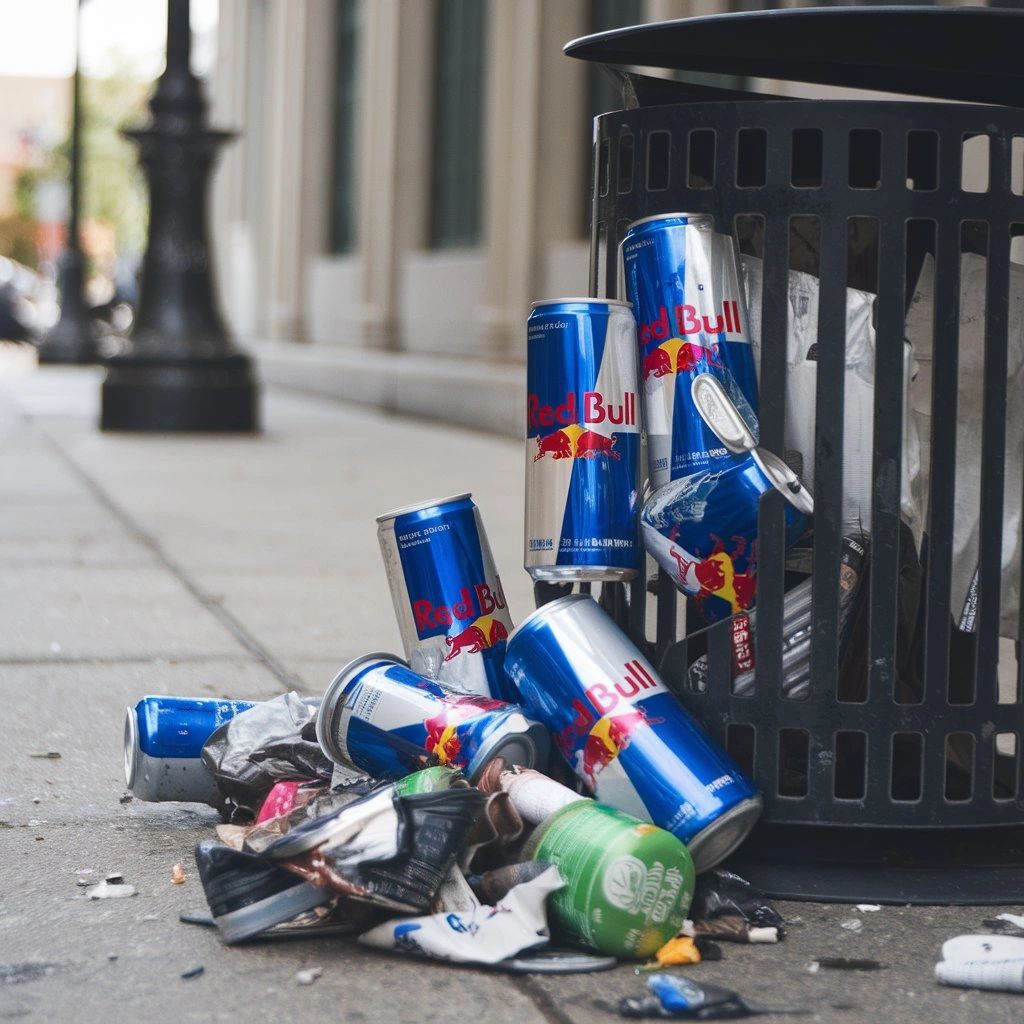
When Red Bull was new to the U.S. market, it faced a problem: no one had heard of it. The brand’s early marketing relied on word of mouth and perception. To make the drink look popular, Red Bull teams placed empty cans in trash bins outside nightclubs, gyms, and universities.
The sight of discarded cans suggested heavy consumption — that “everyone” was already drinking it. The trick worked. People began to associate Red Bull with nightlife and energy long before they had even tried it. The brand didn’t tell people it was popular; it made it look that way.
Initially, I believe it was not faked. Especially during the early days of Stranger things, but in the recent years a suspicious pattern has emerged. Somehow, every time I open Netflix the top 10 are always their newest sitcom, murder mystery, or crime documentary. Its always things like “The monster inside Man” or something along those lines. I acknowledge that these are all famous genres but I refuse to accept that Netflix’s production house produces top 10 movies and shows all year round, for the past 6 years.
Of course, I can imagine producing in-house comes a lot cheaper than actually buying the rights to good movies and shows. Netflix, your tricks aren’t fooling anyone. It just looks sad. Im sorry.